

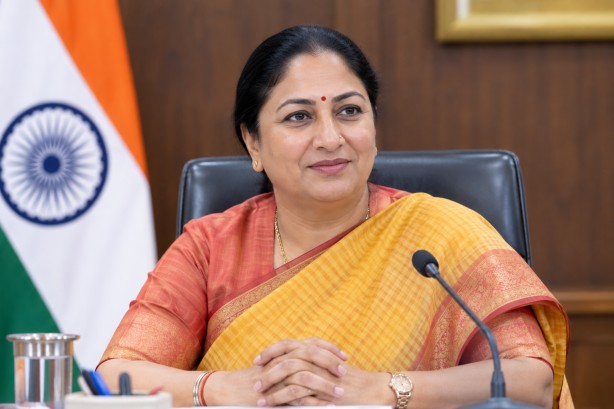
The Delhi government is set to kick off a comprehensive welfare and infrastructure initiative, named Sewa Sankalp Abhiyan, starting on September 17. Announced by Chief Minister Rekha Gupta, this month-long campaign coincides with the celebration of Prime Minister Narendra Modi’s 25 years of public service. The initiative will see the launch and foundation-laying of projects valued at approximately ₹13,800 crore across Delhi.
Intended to reach all 70 assembly constituencies, the campaign will include a variety of community-oriented activities. Blood donation camps, health check-ups for senior citizens, and sanitation efforts, particularly focused on cleaning the Yamuna River, are among the key components. Additionally, registration camps will be organized to facilitate access to various government welfare schemes. On the campaign’s inaugural day, September 17, a large-scale blood donation camp aims to collect 2,500 units, alongside efforts to promote organ donation.
Central to the campaign are projects worth an estimated ₹8,000 crore that focus on the Yamuna River, reflecting the government’s commitment to environmental and health improvements. The initiative will also honor over 4,000 Anganwadi and ASHA workers for their contributions to community health and welfare.
Educational and youth engagement is a significant aspect of Sewa Sankalp Abhiyan, with around 5,000 schools participating in various programs. These include painting and speech competitions, as well as an innovation challenge designed to inspire young minds to generate ideas for India’s development. This focus aims to cultivate creativity and civic responsibility among students.
The campaign’s infrastructure projects are diverse, encompassing ₹8,000 crore in Delhi Jal Board endeavors, ₹2,800 crore in Public Works Department (PWD) projects, and ₹1,500 crore dedicated to power-sector initiatives. Additionally, irrigation and flood-control projects will receive ₹365 crore, while tourism projects are set to receive ₹77 crore. Through these extensive plans, the Delhi government seeks to enhance both the social and physical landscape of the national capital.