

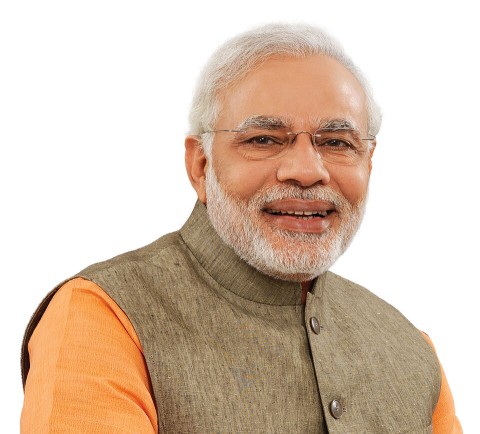
In a high-level meeting centered on governance reforms, energy security, and India’s future developmental objectives, Prime Minister Narendra Modi issued three key directives to Union ministers. This strategic gathering came as the nation navigates economic challenges stemming from the ongoing conflict between the United States and Iran. Lasting over four hours, the meeting placed significant emphasis on the global energy landscape, particularly the vulnerabilities associated with potential disruptions in the Strait of Hormuz, a vital passage for the world’s oil supplies.
Prime Minister Modi stressed the importance of expediting decision-making processes and reducing bureaucratic hurdles, urging ministers to streamline governmental operations. He highlighted the necessity for government files to move swiftly through the system, advocating for simplified, transparent procedures that would enhance the “ease of living” for citizens. Additionally, Modi called for ministries to prioritize the accelerated implementation of central government initiatives, especially in regions where projects have been lagging.
In light of escalating tensions in West Asia that threaten global fuel supplies, Modi directed ministers to brace for potential interruptions in the importation of crude oil, gas, and fertilizers. Given India’s heavy reliance on energy imports routed through the Strait of Hormuz, this situation poses a significant economic concern. The Prime Minister urged ministries to diversify energy sources by expanding the use of renewable energy and biogas, aiming to reduce the nation’s dependency on imported fuels. Rising international crude prices have already triggered increases in the prices of petrol, diesel, and LPG within India, prompting the government to advocate for austerity measures and fiscal prudence to mitigate the economic repercussions.
Modi reiterated the commitment to “Viksit Bharat 2047,” the vision of transforming India into a developed nation by 2047, emphasizing that this goal should be perceived as a long-term national mission rather than merely a slogan. He encouraged ministers to concentrate on next-generation reforms and enhance the efficacy of welfare programs to maximize citizen benefits. The meeting featured presentations from External Affairs Minister S. Jaishankar, Cabinet Secretary T. V. Somanathan, and NITI Aayog member Rajiv Gauba, who provided insights on governance, foreign policy, and the execution of key initiatives.
This session unfolded against a backdrop of mounting political pressure concerning inflation, fuel prices, and the broader economic consequences of instability in West Asia. The government’s focus on energy security and governance reforms underscores its proactive approach to navigating these challenges while striving towards long-term developmental goals.