

India is undergoing a significant transformation in its transportation infrastructure, aiming to enhance connectivity and reduce travel times across the nation. The country’s burgeoning network of expressways, bridges, tunnels, and modern rail services is central to these efforts, offering faster and more efficient travel options for millions of commuters. According to a government factsheet, these developments are slashing travel durations on several major routes, linking key urban centers and remote areas.
The Delhi-Mumbai Expressway stands out as a pivotal project, with the potential to cut the road journey between these two major cities to around 12 hours, compared to the previous 33 hours. Similarly, other expressways have made significant impacts; for example, the Delhi-Meerut Expressway has reduced travel time from 2.5 hours to just 50 minutes, and the Bengaluru-Mysuru Expressway has decreased travel duration from nearly three hours to 75 minutes.
In the realm of bridging and tunneling, major projects have improved connectivity in the Northeast and other regions. The Bhupen Hazarika Setu, for instance, has dramatically reduced travel time between parts of Assam and Arunachal Pradesh from six hours to one hour. Additionally, the Atal Tunnel has significantly eased travel through mountainous regions, saving four to five hours on trips between Manali and the Lahaul-Spiti region.
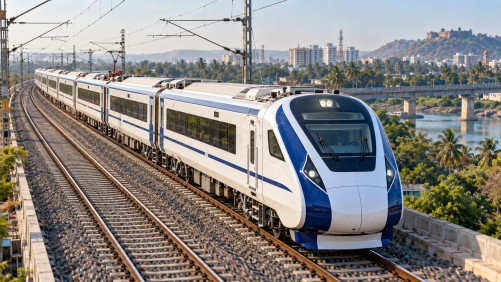
Rail travel is not left behind, with the introduction of Vande Bharat trains contributing to reduced journey times on major routes. The New Delhi-Varanasi service now takes approximately eight hours, and the Katra-Srinagar journey has been shortened to about three hours. Moreover, the Mumbai-Ahmedabad High-Speed Rail Corridor promises to revolutionize travel between these cities, with a future journey time of just under two hours.
These extensive infrastructure projects underscore India’s commitment to modernizing its transport systems, providing faster and more reliable connections across the country. With projects like the Mumbai-Ahmedabad bullet train slated for completion by 2027, the landscape of Indian travel is set to continue evolving, fostering economic growth and regional development.