

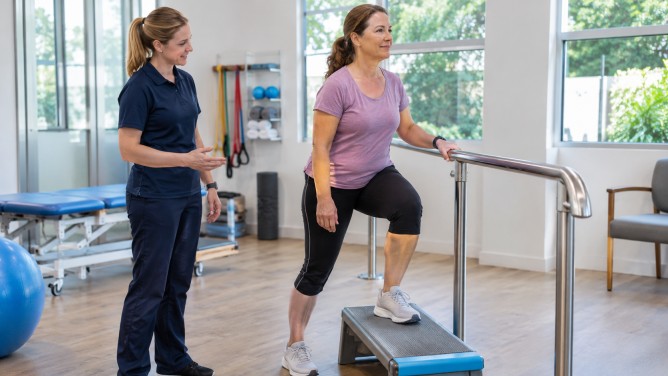
Returning to exercise after an injury requires a strategic approach to avoid unnecessary stress on your knees. Rushing back into your previous fitness routine can lead to further complications, making it crucial to allow your body time to rebuild strength, flexibility, and endurance. A gradual return to physical activity, paying close attention to your body’s signals, is essential for a safe recovery.
When resuming workouts, it is important to recognize warning signs that might indicate serious knee problems. While some muscle soreness is typical, persistent pain that worsens or does not improve should not be ignored. Swelling that develops shortly after exercise and fails to subside with rest could suggest an underlying injury. Additionally, knee instability, characterized by a weak or wobbly sensation, and a sudden pop accompanied by sharp pain, might signal damage to the joint or surrounding structures.
To resume physical activity safely, start by warming up properly with gentle movements to prepare your muscles and joints. Opt for low-impact activities such as walking, swimming, or stationary cycling, tailored to your specific injury and recovery plan. Increase the intensity of your workouts gradually, avoiding heavy weights and high-impact exercises initially. Incorporating rest days into your routine is vital to give your body adequate time to recover. Listen to your body and stop exercising if you experience unusual pain, swelling, or instability.
The treatment and recovery of knee injuries vary based on severity. Minor injuries may improve with rest, ice application, and physiotherapy, while more severe cases might require medical evaluation and specialized treatment. In certain instances, an arthroscopy, a minimally invasive procedure, may be needed to examine and address knee joint issues. Significant ligament injuries, such as to the anterior cruciate ligament (ACL), might necessitate reconstructive surgery.
The key takeaway is that returning to fitness should be a gradual process. Patience and a well-thought-out plan help avoid re-injury and allow for a steady rebuild of strength. Always consult with healthcare professionals before engaging in strenuous physical activities to ensure your recovery is on the right track. Never overlook persistent pain or swelling, as these could be signs that need immediate attention.