

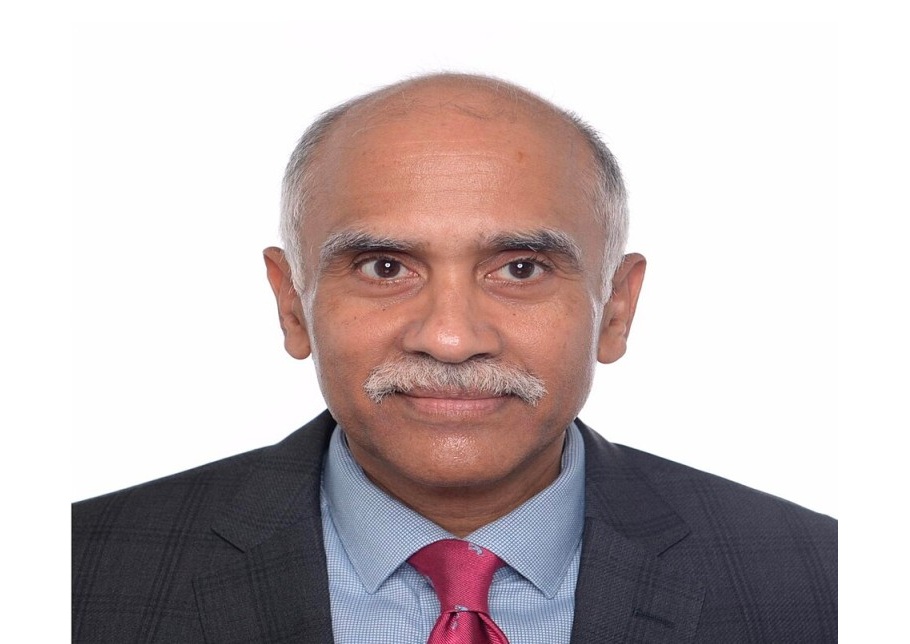
In a recent United Nations Security Council meeting, India vehemently denounced Pakistan’s use of the term “Fitna al-Hindustan” to describe certain militant groups operating within Pakistan’s Balochistan region. India’s representative to the UN, Harish Parvathaneni, called the label a form of state-sponsored disinformation, asserting that Pakistan employed religious language to foster animosity toward India.
Parvathaneni’s address to the council challenged this narrative, labeling it a strategic distraction from Pakistan’s own political and economic troubles. He suggested that the rhetoric served to perpetuate hostility against India rather than confronting the real issues at hand. The controversy arose after Pakistan designated some militant factions in Balochistan with the phrase “Fitna al-Hindustan,” insinuating that these groups were part of foreign-backed destabilization efforts.
India also voiced alarm over Pakistan’s military activities in Afghanistan, alleging that airstrikes by Pakistan had led to civilian casualties. Parvathaneni emphasized that such losses could not be excused as collateral damage in counterterrorism operations, demanding accountability for the affected civilians. This accusation adds another layer of tension between the two nations, with India pushing for greater responsibility in military engagements.
Furthermore, the Indian delegate took aim at Pakistan’s leadership, both political and military, arguing that attributing domestic woes to neighboring countries would not solve Pakistan’s internal problems. He highlighted that pointing fingers at India for domestic challenges did little to address the underlying issues.
This exchange underscores the ongoing friction between India and Pakistan on international platforms, where both nations have routinely accused one another of interference and activities aimed at destabilization. The interactions at the Security Council reflect the persistent diplomatic strife that continues to shape their relations.