

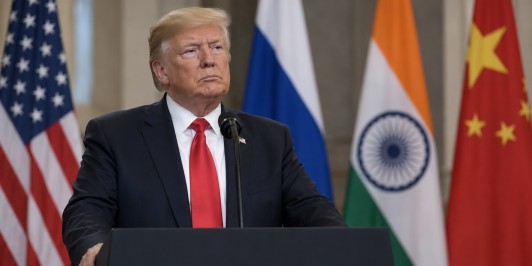
As tensions persist over the ongoing conflict in Ukraine, the United States is intensifying its diplomatic and economic pressure on Russia. A new sanctions law, recently signed by US President Donald Trump, could wield significant influence by targeting countries that continue to purchase Russian energy. This development comes as part of a broader strategy to push Moscow towards negotiation and a potential resolution of the war.
Last week, President Trump enacted the Lindsey O. Graham Sanctioning Russia and Iran Act of 2026, granting him the authority to impose tariffs of up to 100% on nations buying Russian oil and natural gas. This measure aims to target major buyers like India and China, who are among the largest consumers of Russian energy resources. Speaking at the United Nations General Assembly, Trump highlighted these new powers as a tool to potentially pressurize Russia into ending the conflict.
The legislation not only focuses on energy tariffs but also extends sanctions to Russian officials, financial institutions, and sectors accused of circumventing existing restrictions. These comprehensive measures underscore Washington’s commitment to exerting economic pressure on Russia, hoping to force a change in its stance on Ukraine.
While Ukrainian President Volodymyr Zelenskyy has shown support for the new sanctions, expressing readiness for further discussions to end the war, the situation remains complex. The tariffs are not automatic; rather, they provide discretionary power to the US president regarding their application. This means the actual impact on countries like India and China will depend on future decisions by the US administration.
The introduction of these sanctions reflects the US’s ongoing effort to leverage economic tools in international diplomacy, especially concerning conflicts with significant global implications. As the international community watches closely, the effectiveness of these measures in prompting Russia towards negotiation remains to be seen.