

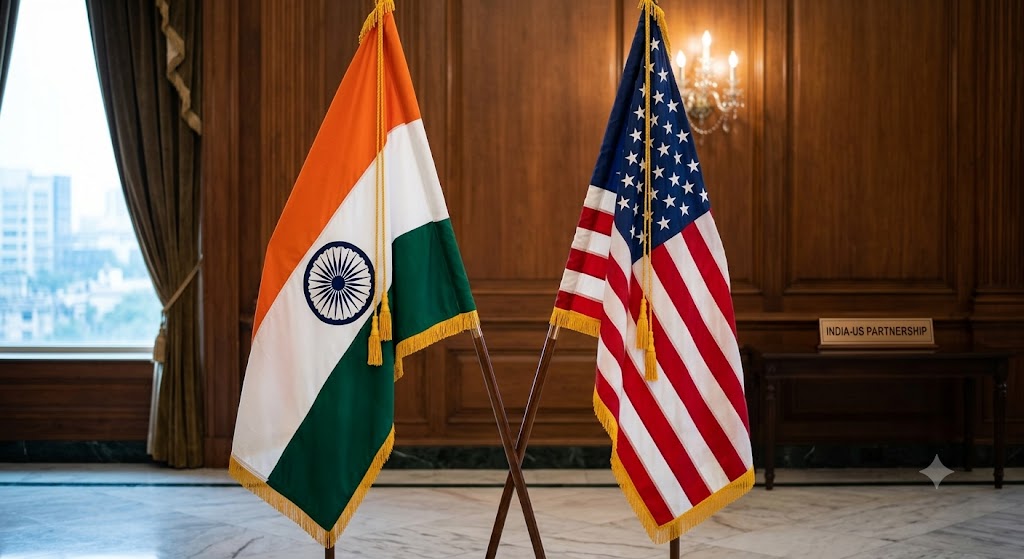
India and the United States have restarted their efforts to finalize an interim trade agreement, aiming to resolve critical differences before a looming tariff deadline. The recent negotiations have concentrated on eliminating the final hurdles to formulating a bilateral trade deal. Both nations have shown optimism, with officials indicating that only a few issues remain unresolved after extensive discussions spanning several months.
The trade talks, which initially set a target of boosting bilateral trade to over $500 billion by 2030, encountered obstacles when the US imposed new tariffs on Indian goods, significantly raising duties on certain products. A prior framework had suggested reducing tariffs on Indian exports, but legal challenges within the US hindered its execution. The proposed agreement entails India lowering tariffs on specific US industrial and agricultural goods, while the US would reciprocate by reducing duties on Indian products.
Agriculture, a persistent point of contention, remains a challenging aspect of these negotiations. The US is pushing for increased access for its agricultural exports, while India remains cautious due to concerns over the impact on local farmers and food safety regulations. Despite these disagreements, officials from both sides are hopeful about reaching a consensus that could enhance trade ties and bolster India’s stance against competing exporters.
Sectors such as dairy, wheat, rice, and poultry are deemed sensitive and remain protected due to domestic concerns. The successful conclusion of these talks could not only improve trade relations but also support the mutual objective of strengthening economic connections between the two nations.