

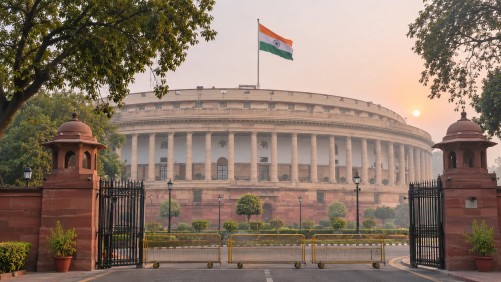
The Indian government is planning to convene the winter session of Parliament in the first week of December, focusing on significant legislative initiatives such as a constitutional amendment bill related to delimitation and women’s reservation. This session is expected to address the proposal of increasing the Lok Sabha’s strength from 543 to a maximum of 850 seats through delimitation, and implementing a 33% reservation for women in Parliament and state legislatures, aiming for completion by the 2029 general elections.
To successfully pass this legislation, the government requires support from Opposition parties, given the previous inability to secure the necessary two-thirds majority in the Lok Sabha. The passage of these measures could mark a substantial shift in India’s political landscape, enhancing representation and inclusivity within its legislative bodies.
Despite these plans, Opposition parties, including the Congress and Trinamool Congress, have reported not yet receiving formal communication regarding the winter session schedule. Their involvement and stance will be crucial for the government’s legislative ambitions.
In parallel, the upcoming session is likely to occur amidst growing Opposition protests concerning the Special Intensive Revision (SIR) of electoral rolls. Various parties have raised alarms about potential voter exclusion under this revision process, adding another layer of complexity to the session’s proceedings.