

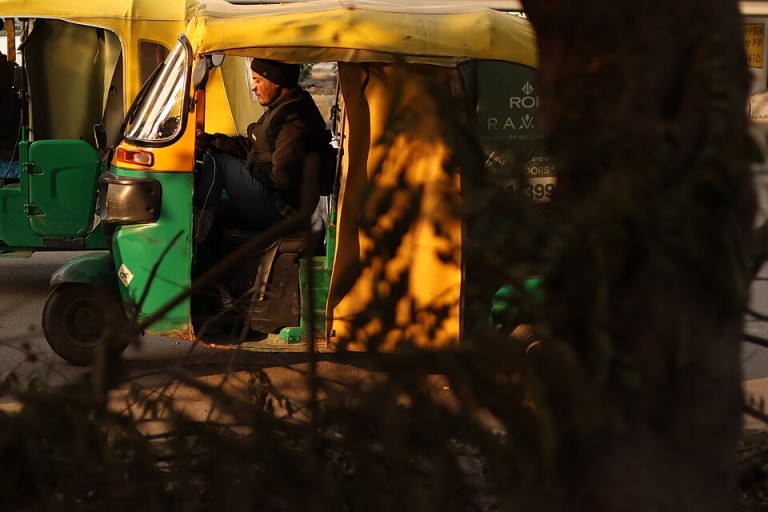
The Delhi government has unveiled a strategic initiative to progressively eliminate petrol-powered scooters, motorcycles, and autorickshaws from its roads, aiming to mitigate the capital’s air pollution issues. This ambitious policy seeks to elevate the presence of electric vehicles, targeting 30% electrification of Delhi’s vehicle fleet by 2030. A phased rollout will commence with electric three-wheelers and small commercial vehicles in 2027, followed by electric scooters and motorcycles in 2028.
Transportation emissions are a leading contributor to Delhi’s pollution woes, with vehicles emitting a substantial portion of the pollutants, especially pronounced during winter months when the city grapples with heavy smog. Environmental advocates have praised the government’s decision, highlighting that a transition to electric two- and three-wheelers could drastically lower emissions and enhance public health. Plans to install over 30,000 public charging stations have also been announced to facilitate this transition.
Despite the optimism, the shift has raised concerns among autorickshaw drivers who fear challenges related to charging times, vehicle affordability, maintenance, and potential income disruptions during the transition period. Some experts have expressed the need for the government to place greater emphasis on expanding clean public transportation systems and improving last-mile connectivity, ensuring a holistic approach to reducing emissions.
The policy outlines incentives like tax benefits for those purchasing electric vehicles. However, critics have pointed out that the proposed timeline might be too tight to adequately prepare drivers, manufacturers, and consumers for such a significant change. This raises questions about the readiness of the city’s infrastructure and market to support a widespread adoption of electric vehicles within the set timeframe.