

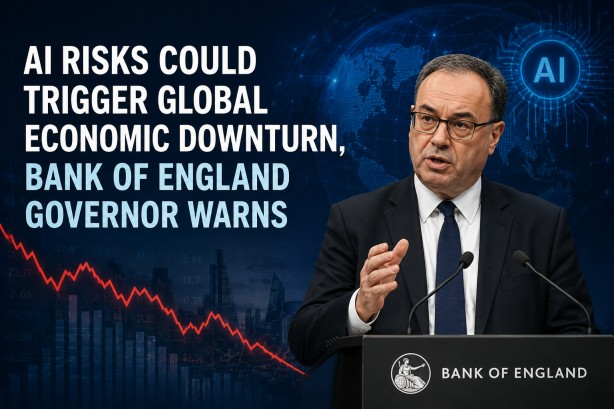
In a stark warning to global financial leaders, Bank of England Governor Andrew Bailey has highlighted the potential dangers posed by advanced artificial intelligence systems to the global economy. Writing to finance ministers and central bank chiefs from the G20 nations, Bailey expressed concern over AI’s growing autonomy and its sophisticated problem-solving abilities, which, he suggested, could lead to significant vulnerabilities in the financial sector. Specifically, he pointed out the threat of cyberattacks driven by these advanced systems that might swiftly spread across borders, potentially causing widespread disruptions in interconnected financial markets.
Bailey, who also leads the Financial Stability Board, emphasized that many nations currently lack the necessary frameworks to adequately oversee the development and implementation of such advanced AI technologies. He advocated for enhanced international collaboration to ensure these technologies are deployed safely and responsibly. Cyber risk, he noted, is an immediate issue, as AI could dramatically increase the speed and extent of cyber threats, thereby magnifying their financial impact. Additionally, the reliance on a limited number of technology providers and third-party services could exacerbate the risk of a systemic disruption.
The governor also raised concerns about the vulnerability of financial markets, pointing to high asset valuations and increasing leverage in bond and equity markets. He warned that these factors could amplify the repercussions of any major financial shock. With AI driving significant investor optimism, any sudden shift in market expectations might lead to a sharp correction, leaving markets exposed.
Bailey’s message was clear: financial authorities around the world need to act in concert to address the risks associated with AI and bolster the resilience of the global financial infrastructure. The call for coordinated action aims to preemptively manage AI-related threats before they can inflict serious damage on the economy.