

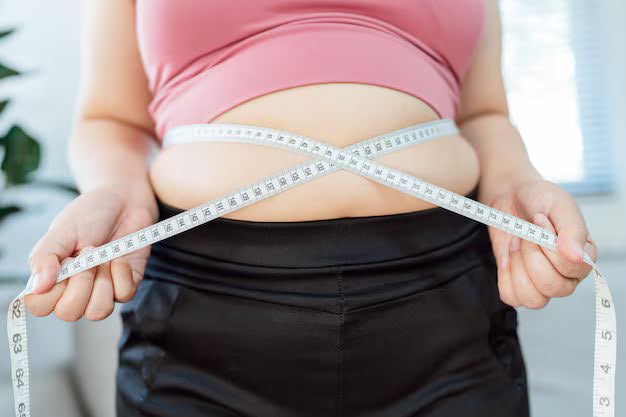
Among the health gadgets, apps, and devices that compete for attention in the wellness market — smart scales, heart rate monitors, continuous glucose monitors — there is one tool that outperforms many of them for clinical significance, costs almost nothing, and fits in a desk drawer. It is a tape measure. Used to assess waist circumference, this simple implement can reveal information about internal fat accumulation, cardiovascular risk, and liver health that sophisticated consumer technology often fails to capture.
The value of a tape measure for health lies in the diagnostic significance of what it can measure. Waist circumference — taken at the anatomical midpoint between the lowest rib and the hip crest — correlates strongly with visceral fat volume. Visceral fat, in turn, is one of the primary drivers of cardiovascular disease, fatty liver disease, type 2 diabetes, and metabolic syndrome. Quantifying visceral fat through waist measurement is therefore equivalent to quantifying the risk of these conditions in a direct and meaningful way.
Consumer health technology has yet to produce a device that replicates this clinical value in a similarly accessible format. Smart scales can estimate body fat percentage, but they cannot distinguish visceral from subcutaneous fat with meaningful accuracy. Wearable fitness trackers can monitor activity and heart rate, but they provide no information about the fat surrounding your organs. The tape measure, for all its simplicity, occupies a unique position in the hierarchy of accessible health tools.
Using the tool correctly is straightforward: stand with your feet together, find the midpoint between your lowest rib and the top of your hip bone, wrap the tape around your bare abdomen at that level, and read after breathing out normally. Record the result and compare it against WHO thresholds appropriate for your demographic. For Asian adults, risk begins at 80 centimeters for women and 90 centimeters for men. Track this measurement monthly to identify trends.
Investing in a quality tape measure and a commitment to using it regularly is one of the most cost-effective health decisions available. The information it provides is clinically validated, personally meaningful, and immediately actionable. Pair it with regular exercise, nutritious eating, and good sleep, and you have a complete system for monitoring and improving the single most predictive measure of your long-term organ health. The most powerful health tool you own may be the simplest one.