

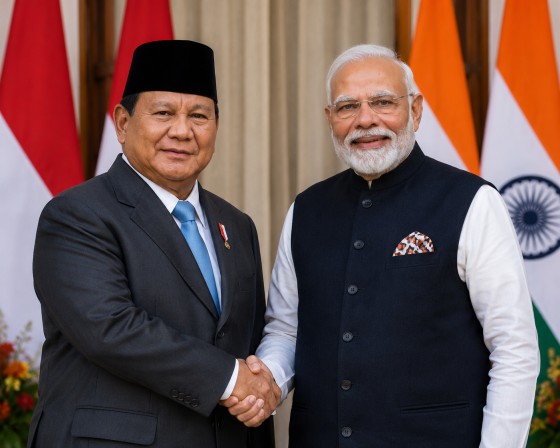
Indian Prime Minister Narendra Modi is set to travel to Indonesia next week for discussions with President Prabowo Subianto, with a significant emphasis on fostering cooperation in the critical minerals sector. The visit is poised to strengthen ties between the two nations, focusing on several areas including healthcare, pharmaceuticals, education, and space, as conveyed by Indian Ambassador Sandeep Chakravorty. While some agreements are anticipated to be signed during Modi’s visit, other potential collaborations are still in negotiation.
India’s interest in deepening its partnership with Indonesia is primarily driven by the desire to enhance its capabilities in critical mineral processing and manufacturing. The envisioned collaboration would involve establishing production facilities within Indonesia, ensuring a steady supply of these essential resources for both domestic use and international distribution. Discussions are ongoing regarding the formation of joint ventures with Indonesian partners, which would solidify this strategic partnership.
Indonesia’s significance as a partner is underscored by its status as the world’s largest producer of nickel, a resource vital for the production of electric vehicles, batteries, and advanced technological applications. The Indonesian government mandates that nickel must undergo domestic processing before it can be exported, a policy designed to attract investment into the country’s downstream industries.
This visit aligns with India’s broader agenda to fortify its supply chains for critical minerals while reducing reliance on external sources. By fostering economic cooperation with Indonesia, India aims to secure its position in the global market for these indispensable materials and enhance its manufacturing capabilities.