

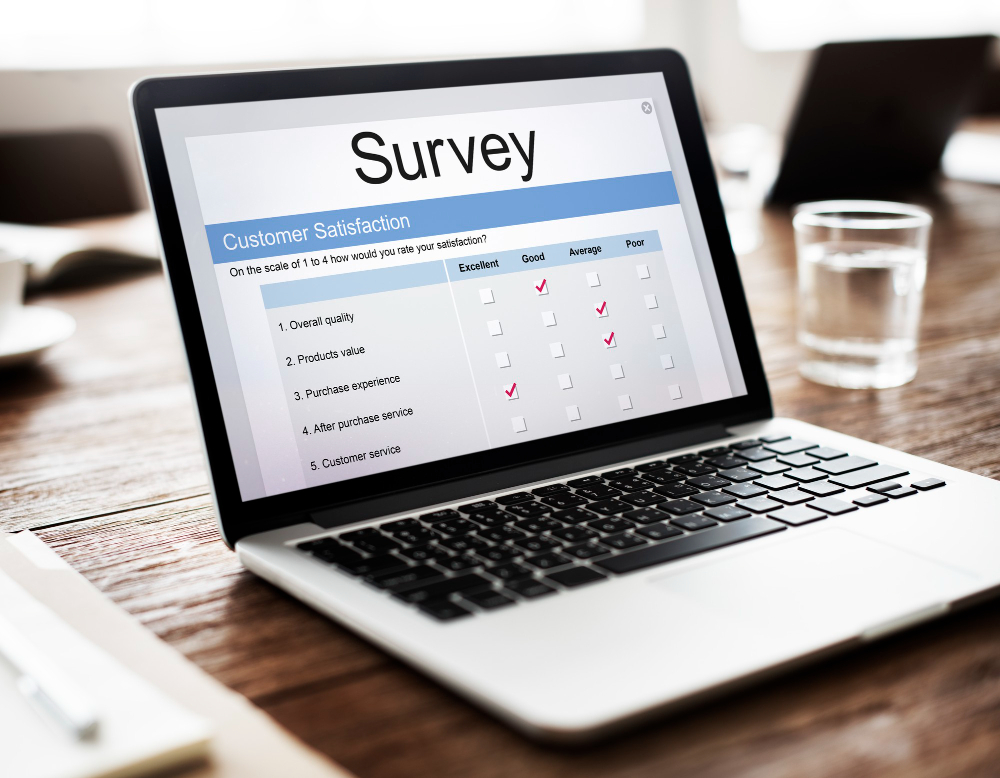
Consumer surveys are essential tools in market research, designed to gather insights into the opinions, preferences, and behaviors of targeted audiences. These surveys merge quantitative data with qualitative insights to assess factors such as customer satisfaction, brand perception, pricing sensitivity, and unmet needs. In India, a diverse range of survey methods is employed to capture a broad spectrum of responses, including digital, telephonic, and face-to-face interactions, thereby ensuring inclusivity across varying levels of literacy and connectivity.
The significance of consumer surveys lies in their ability to transform customer feedback into actionable strategic assets. By reducing the risks associated with new product launches, enhancing brand positioning, and informing pricing strategies, these surveys are invaluable in a market where a high percentage of new FMCG products fail within the first few years. Surveys provide a data-driven foundation that helps differentiate successful concepts from costly assumptions and facilitate ongoing feedback loops to keep brands aligned with changing consumer expectations.
Various methodologies are utilized in conducting consumer surveys, each catering to different market segments. Online surveys, mobile app-based surveys, and telephonic interviews are popular in urban and semi-urban areas, while face-to-face interviews are crucial in rural regions where literacy and trust play significant roles. More traditional methods, such as paper-and-pencil surveys, are still employed in remote areas with limited connectivity. Additionally, focus group discussions and in-depth interviews provide deeper insights into consumer attitudes and motivations, while mystery shopping assesses service quality and brand compliance in various sectors.
Consumer surveys are also instrumental in numerous applications, including customer satisfaction tracking, brand health monitoring, product testing, and market entry feasibility studies. They support segmentation, demand forecasting, and post-purchase experience analysis across both consumer and business sectors. The effectiveness of these surveys depends on a well-designed questionnaire that balances clarity with depth, avoiding respondent fatigue, and incorporating translations into multiple regional languages to ensure comprehension across diverse populations.
As consumer research evolves, trends such as AI-driven survey design and vernacular voice surveys are reshaping the landscape, particularly in India’s rural and less digitally connected areas. These advancements, along with the rise of the “Bharat” markets — referring to Tier-3, Tier-4, and rural areas — are shifting research budgets away from metropolitan centers. This transformation highlights the growing importance of accurately listening to consumers across India’s diverse tier hierarchy, emphasizing the critical role these surveys play in guiding business decisions and strategies.